
Errors can lead to mismatches, notices, interest, penalties, or difficulties for the deductor or deductee, depending on the nature of the error.
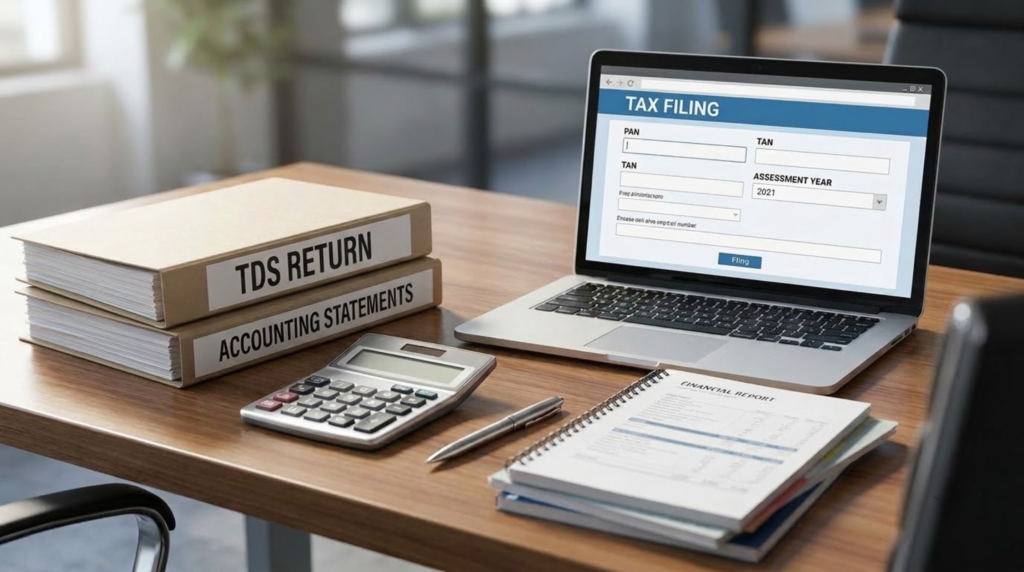
Tax Deducted at Source (TDS) is an important part of the Indian tax system. Businesses and other eligible deductors may need to deduct tax from certain payments and deposit it with the government. Regular TDS return filing helps maintain proper tax compliance and reporting.
TDS stands for Tax Deducted at Source. Under applicable tax provisions, tax is deducted from specified payments such as salary, professional fees, rent, interest, commission, and certain other payments.
The deducted amount is deposited with the government against the recipient’s tax liability.
TDS return filing allows deductors to report details of tax deducted and deposited during a particular period. Accurate filing helps maintain proper records and reduces the chances of mismatches, notices, interest, or penalties arising from incorrect reporting.
Businesses, employers, organizations, and other persons who are required to deduct TDS under applicable provisions may need to file TDS returns.
The requirement depends on the nature of payment, applicable tax provisions, and the status of the deductor.
TDS provisions can apply to different types of payments depending on the applicable section and conditions.
Salary payments
Professional fees
Contractor payments
Rent payments
Commission payments
Interest payments
Certain other specified payments
Documents and Information Required
Before preparing a TDS return, the deductor should keep relevant payment and deduction records organized.
TAN details, where applicable
PAN details of deductees
Payment details
TDS deduction details
Challan information
Salary or other payment records
Previous TDS return details, where required
TDS Return Filing Process
The process generally involves collecting deduction and payment information, verifying PAN and other details, matching tax deposits with records, preparing the applicable return statement, and submitting it through the prescribed filing mechanism.
After filing, the submitted information should be reviewed for any errors or discrepancies.
Incorrect PAN details, wrong deduction amounts, incorrect challan information, missed deductions, and differences between payment records and reported information can create compliance issues.
Maintaining updated records and reviewing the return before submission can help reduce such errors.
Regular TDS compliance helps businesses maintain accurate tax records and meet their reporting responsibilities. It also helps ensure that deducted taxes are properly accounted for and reported to the concerned authorities.
TDS compliance can become complicated when a business makes different types of payments or handles multiple employees, vendors, or professionals. Professional assistance can help businesses organize records, prepare returns, identify discrepancies, and complete the filing process properly.
Complete Tax provides professional support for businesses dealing with TDS and other tax compliance requirements. Our team can assist with TDS return preparation, documentation, filing, and related compliance guidance.
If you need help with TDS return filing or want to keep your business tax compliance organized, connect with Complete Tax for professional assistance.
A TDS return is a statement containing details of tax deducted, deposited, and the relevant deductee information for the applicable period.
Persons or entities required to deduct TDS under applicable provisions generally need to report the deductions through the prescribed TDS return.
Payment details, PAN information, TDS deduction details, challan information, and applicable deductor details are commonly required.
Errors can lead to mismatches, notices, interest, penalties, or difficulties for the deductor or deductee, depending on the nature of the error.
Yes. Complete Tax can assist businesses with TDS return preparation, filing, documentation, and related compliance requirements.



WhatsApp us